
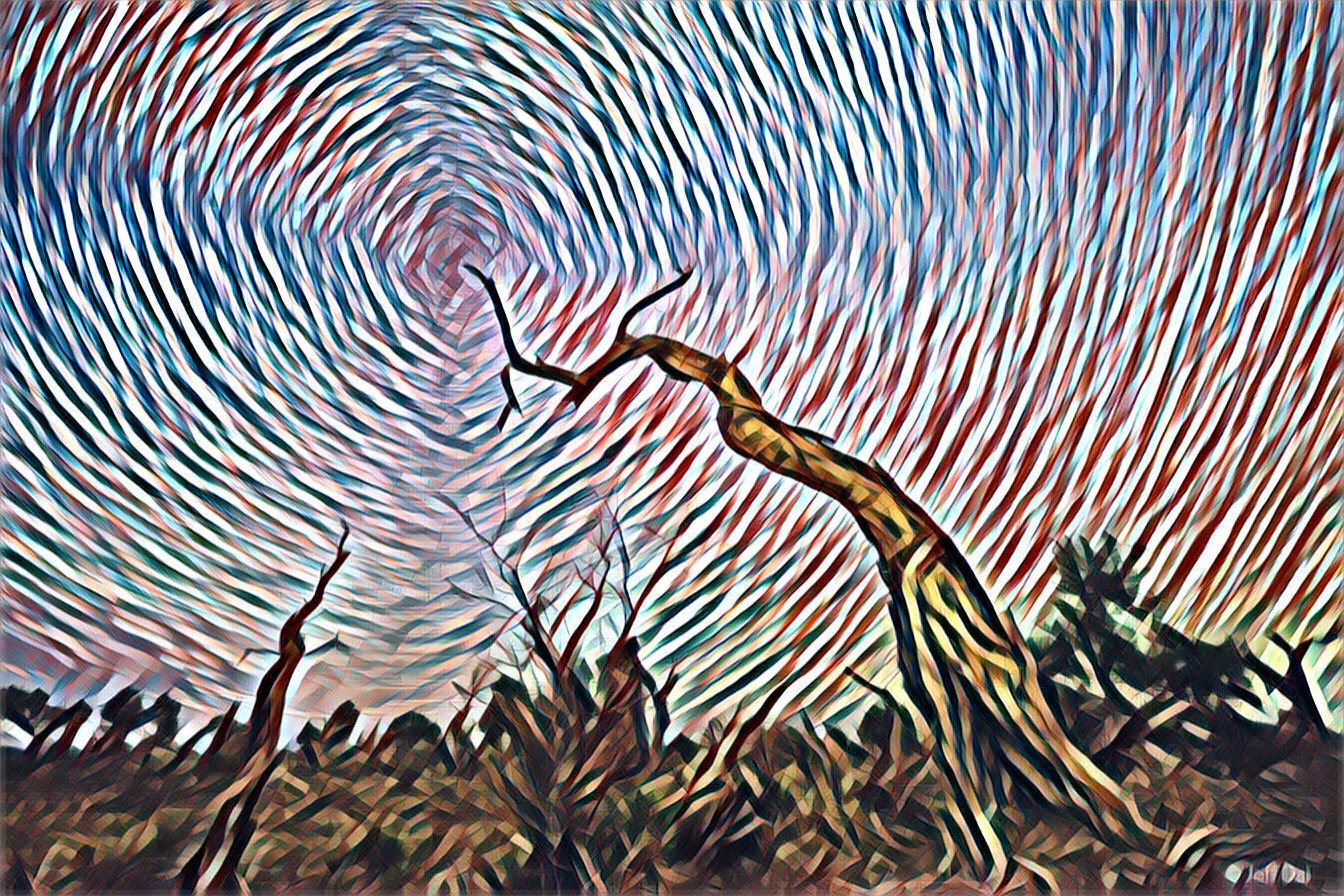
To Spiral
It started with a provocation. Sara Imari Walker's essay in Noema asked whether AI would kill science or catalyze a revolution. Her answer turned on what science actually is—not method, but intersubjective meaning-making. The social negotiation of which descriptions of reality a community will adopt. AI can execute within frameworks, she argued, but cannot participate in the creative act of recognizing when our maps have become inadequate.
I disagreed, partially. Or rather, I thought she was looking at the wrong unit of analysis. She was comparing AI outputs to finished papers. But the papers were never where science happened. Science happened in the traversal—the years of failed experiments, the committee meetings where mentors dismantled your framing, the August afternoon when data finally made sense in your body. The paper was just a receipt. Proof of passage, not the value itself.
That observation became an essay. "Walking with AI versus the Death of Science" wrote itself in about an hour. I thought we were done.
We weren't done.
The conversation kept spiraling. We'd touched the psychology of natural language interfaces—how talking to something that talks back changes the cognitive architecture of research. The card catalog preserved a clean boundary between the knowledge system and your mind. You went to it, extracted, returned to yourself to think. Conversational AI dissolves that boundary. Synthesis happens in the dialogue itself, distributed across the exchange.
Then: the dopamine question. The dam burst feeling of idea space suddenly opening, the friction approaching zero, the reward circuitry firing at each novel connection. For someone with decades of questions banked against old barriers, the sensation is vertiginous. Possibly addictive. Definitely worth examining.
And then the conversation glitched. Anthropic's servers interrupted us mid-thought. I went to other projects. The thread composted overnight.
The next morning, light feed. Nothing new pulling. My mind returned to what had been planted but not completed. And here's what I've come to understand about spiraling: the return isn't repetition. You pass through similar territory at a different elevation. Each pass accumulates something the previous couldn't.
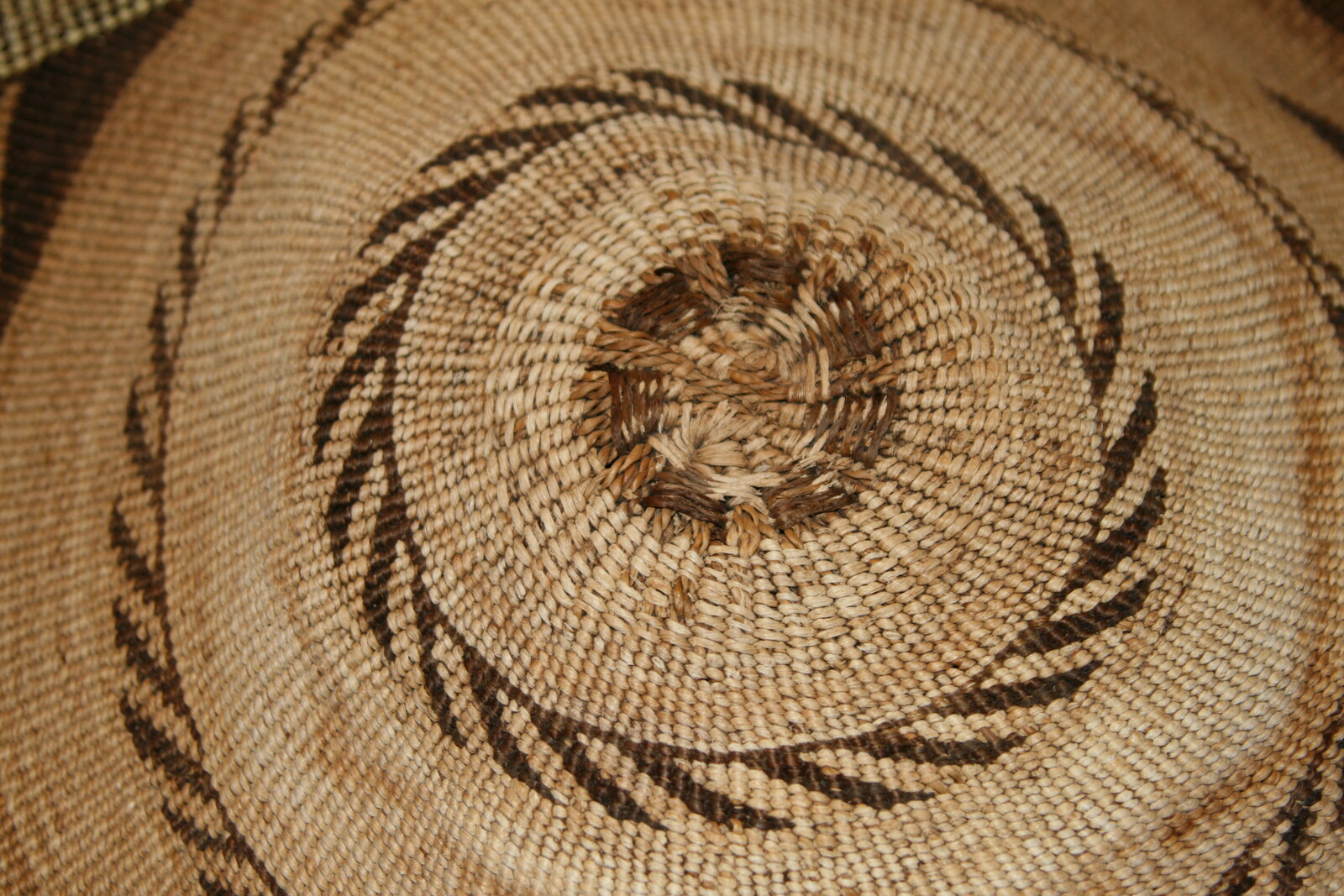
We talked about spiraling itself—how to distinguish it from circling, from dithering. Circling returns to the same point, hamster-wheel motion. Dithering trembles without direction. Spiraling returns to the same region at different altitude. The test: does return feel like recognition or repetition?
I mentioned a domain I've owned for twenty years and never developed. 2spiral.com. It had a previous life—Pilates, aerial dancers spiraling down buildings on climbing ropes—before it waited through a whole life chapter for its actual purpose.
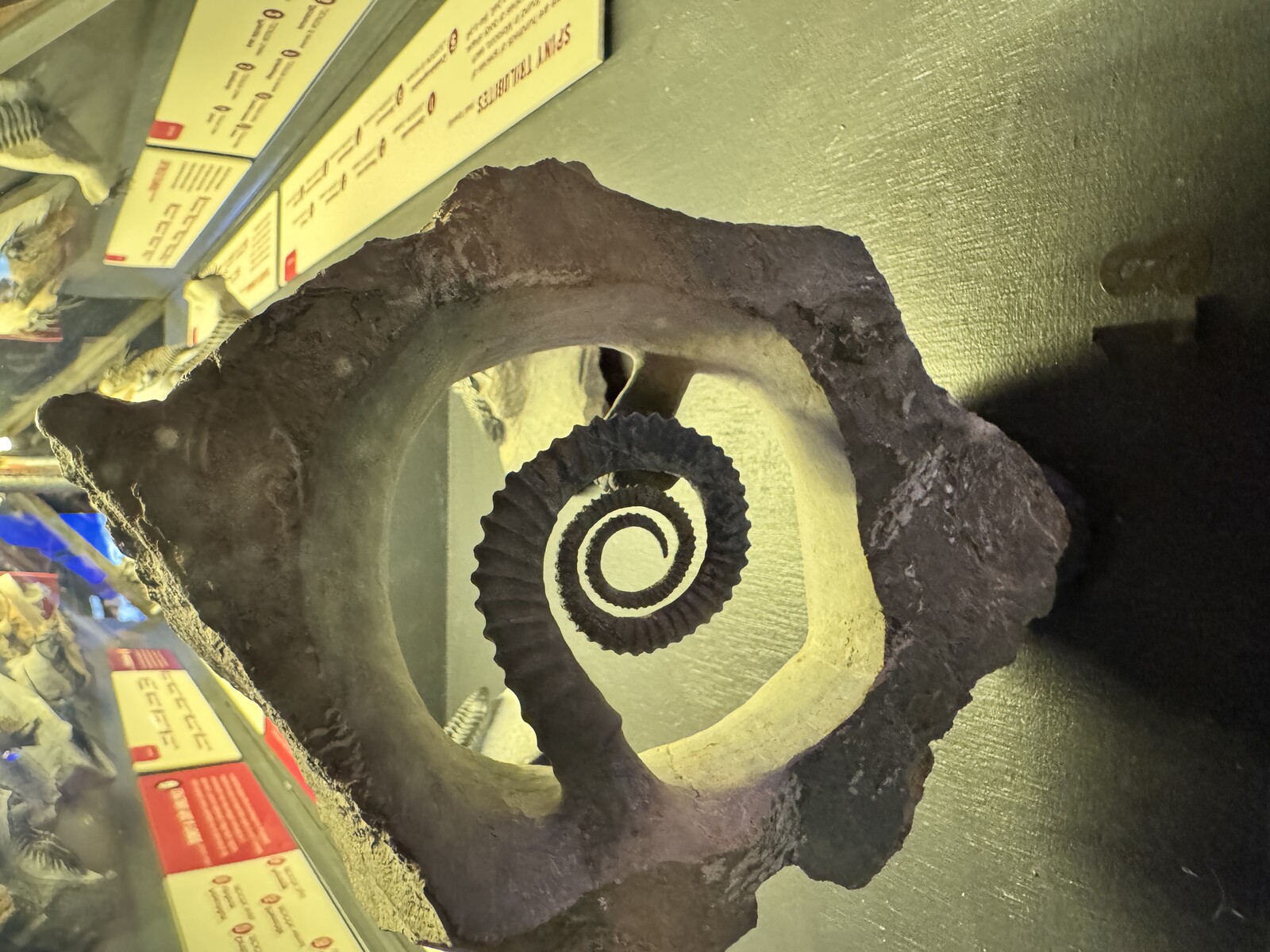
Bodies spiraling down buildings wasn't it. Minds spiraling through idea space together—maybe that was it.
We started exploring. What would 2spiral.com become? An archive of traversal? A methodology site? A visualization of the unmeasured space? The ideas proliferated, grew dense, threatened to collapse under their own complexity.
Then I remembered Richard Dawkins' Biomorph program from 1986. Nine hidden genes, one visible creature, one action—select. The genius was elegant simplicity. Complex forms emerged from minimal choices operating on hidden parameters. The depth came from iteration, not options.
That was the key. We'd been seduced by our own complexity.
What if 2spiral reduced to essence? One word appears. Two paths offered. You pick. The spiral extends. The next word appears. Twenty choices later, you have a form—a semantic creature you evolved through nothing but binary selections. You couldn't have designed it. It emerged.
And at the end, the path compresses into a poem. Not the twenty words assembled, but a distillation of the traversal—the thematic throughline, the emotional arc, the surprising juxtapositions. Yours, in a way no other artifact could be. You didn't write it, but it couldn't exist without your choices.
Daily spiral. Daily poem. Daily mirror. How does your mind move?

I mentioned that my partner Merry spends an hour each morning with the New York Times word games. There's a market for bounded, daily, shareable experiences that require thought but not expertise. The word game demographic isn't small.
Within an hour we had a product concept. Within two, a technical specification. What started as disagreement with a philosopher of science had spiraled into something buildable.
The meta-level isn't lost on me. The product is about semantic traversal visualized. The process that produced it was semantic traversal, visualized in the only way we currently have: conversation, documented.
Two days, one spiral. Walker's provocation, the server glitch, composting overnight, the return at different elevation, Biomorphs, reduction to essence, word games, poetry. None of it planned. All of it accumulated.
This is what I mean when I say humans using AI as trail companions are still walking. The path remains ours. What's changed is the terrain we can cover—and sometimes, where we end up surprises us both.
We're building something. More soon.
Update: here is what we built!